

End of an Era: The 92-Year Story of Lee Biscuits
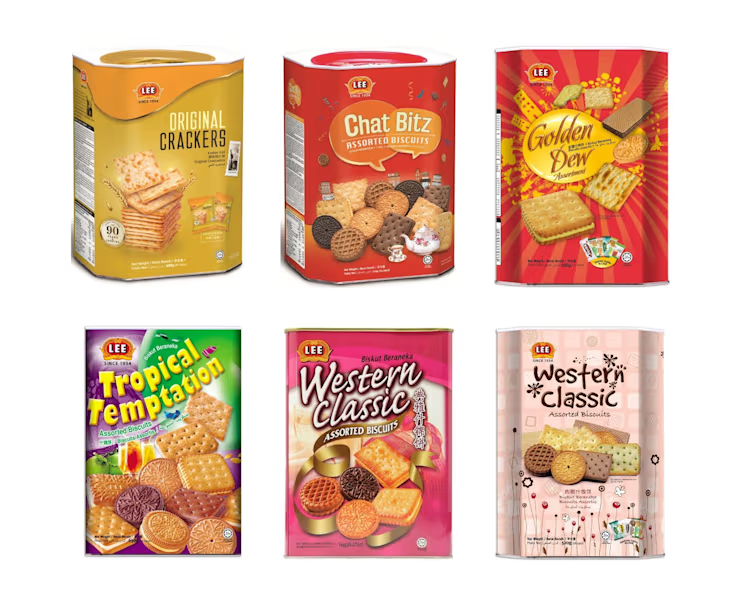
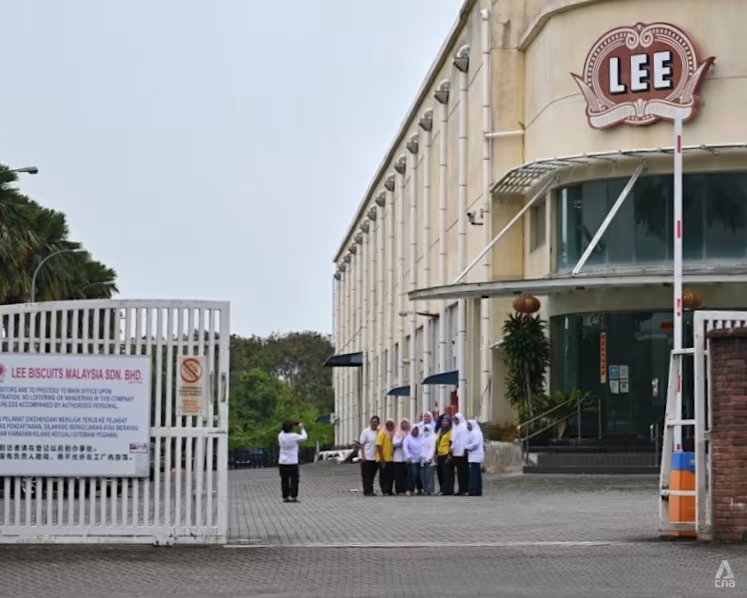
For generations of Singaporeans and Malaysians, Lee Biscuits’ Marie biscuits, crackers and iced gems were everyday snacks. After 92 years, production at its Pontian factory in Johor is ending.
- Founded
- 1934 in Singapore, by Lee Kong Chian
- Moved to Johor
- 1955, first to Tampoi and later to Pontian
- Production ends
- End of October 2026
- Related closure
- The Lee Pineapple cannery in Skudai closed in November 2023
1934 to 1955: From Rubber Empire to Biscuits
Lee Kong Chian, known as the “Rubber King” and “Pineapple King”, built a large business empire in rubber, pineapples and manufacturing. He founded Lee Biscuits in Singapore while the island was still a British colony, aiming to make affordable biscuits for the region. Its early products included cream crackers, banana puffs and Marie biscuits, which became household favourites. The company also launched brands including Shield, Turkey and Bell.
1955: Crossing the Causeway
After 21 years in Singapore, the company moved production to Tampoi in Johor Bahru in 1955. The move gave it better access to Malaysia’s agricultural supply chains and industrial land, and was accompanied by acquisitions that widened its product range.
1965 Onwards: More Variety
From 1965, the range grew to include lemon puffs, iced gems, animal cookies, and chocolate and butter cream biscuits. Manufacturing capacity expanded alongside it.
2000s: Modernisation and Health Focus
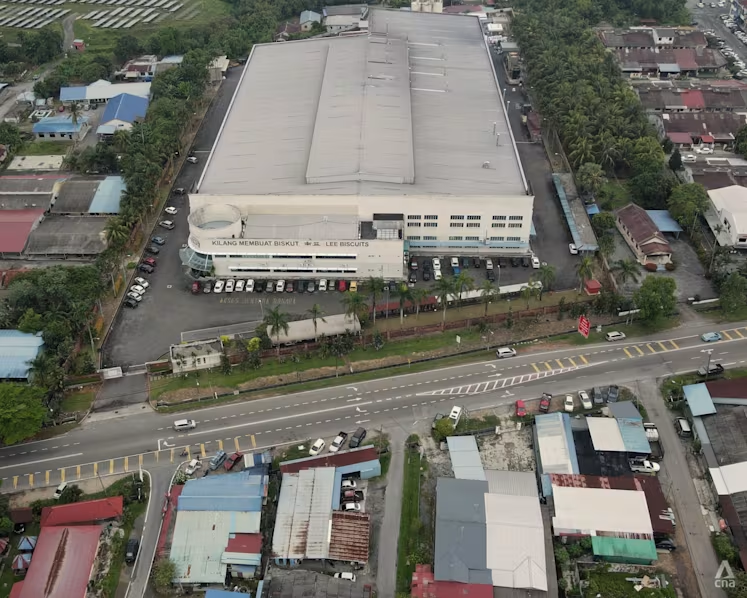
In 2000, the company upgraded its Tampoi plant into a modern facility and began developing products for health-conscious consumers. Five years later it moved production to Pontian to allow further expansion. The old Tampoi site later became a hypermarket. In 2008, the company obtained ISO and HACCP food safety certifications.
2023 to 2026: Winding Down
The closure follows the shutdown of the Lee Pineapple cannery in Skudai in 2023, after which crowds queued to buy its pineapple water. Lee Biscuits’ production halt was reported in September 2026, with suppliers and customers notified that month. The parent group is reported to be leaving snack manufacturing to focus on rubber and palm oil. About 300 employees were expected to stay until the end of October, mainly for cleaning and other site work.