

New SGH Emergency and Neuroscience Building Cuts Stroke Treatment Time
Stroke patients at Singapore General Hospital can now be assessed, scanned and treated in as little as 82 minutes, down from 130, after the opening of a combined emergency and neuroscience building.
- Building
- 12-storey SGH Emergency and National Neuroscience Institute (NNI) building, 14,000 square metres
- Opened by
- Health Minister Ong Ye Kung, on 30 October
- Stroke treatment time
- As little as 82 minutes, down from 130
- Emergency triage rooms
- 10, up from four in the old Block 1
Why the Building Matters
The building brings emergency assessment, acute medical care and advanced neuroscience treatment under one roof, so patients no longer need to be moved between buildings. It is six times the size of the previous emergency space in Block 1, and is part of the continuing redevelopment of the SGH campus in Outram.
Faster Stroke Care
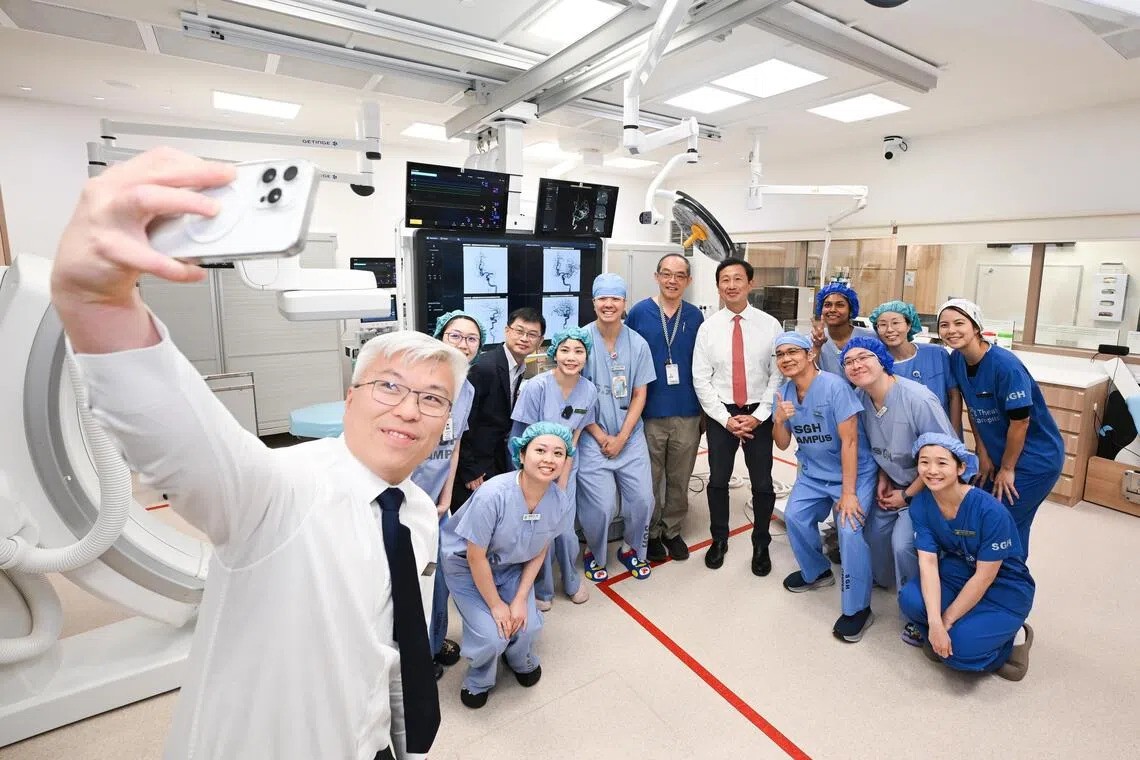
Ong said co-locating the emergency department with NNI is intentional, because a blocked blood vessel in the brain needs to be cleared within the “golden hour”. The building has Singapore’s first emergency department angiography suite, where a procedure called endovascular thrombectomy can reopen blocked vessels within minutes of diagnosis. Health experts stress that every minute without blood flow can destroy brain cells, so shorter transfers reduce the risk of lasting damage and disability.
Running the Emergency Department
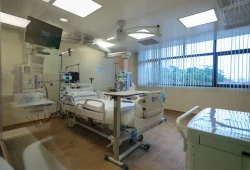
Ong described the emergency department as a barometer for the whole hospital, since a rise in ward occupancy or a slowdown in admissions quickly shows up there. The department has 53 critical care cubicles across two floors, 12 resuscitation rooms and more than 150 short-stay beds in acute medical wards. One critical care area with 29 cubicles can be converted into a negative pressure unit during a pandemic. On an average day, the department sees more than 300 patients, and about 15 per cent need immediate attention.
Ong said the more useful measure of pressure is whether resuscitation rooms are full, not whether ambulance bays are occupied. He also noted that waiting times for serious but non-life-threatening cases fell from 217 minutes in 2023 to 141 minutes in 2025, helped by telehealth and GP alternatives. He asked the public to be patient when longer waits are needed.
Neuroscience Clinic Upgrades
The building’s larger neuroscience clinic allows physiotherapists, occupational therapists and speech therapists to work alongside neurologists and nurses, so patients can see several therapists in one visit. A new infusion clinic can give short intravenous treatments for Alzheimer’s disease and migraine, along with lumbar punctures on site, avoiding the need for an overnight stay.