


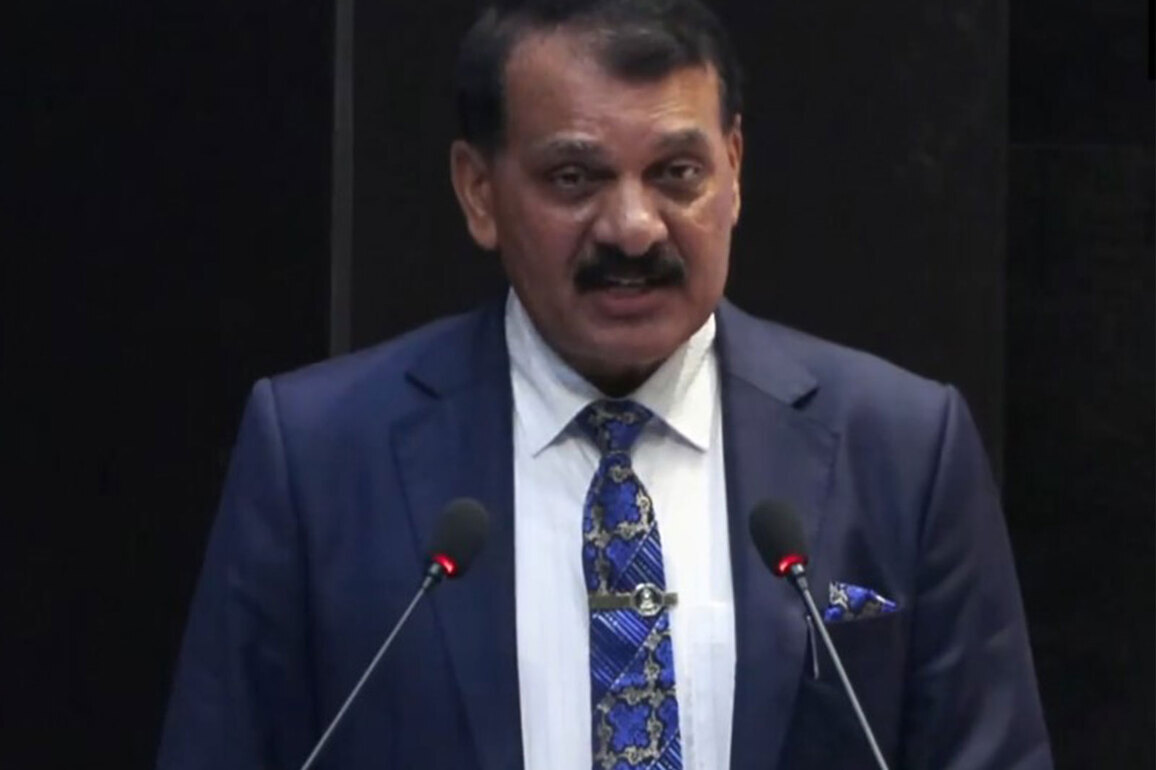
Former Indian Navy Chief Warns of Maritime Instability and Its Economic Costs
Former Indian Navy chief Admiral Dinesh Kumar Tripathi has warned that instability in narrow waterways can cause economic damage far beyond the region, and called for closer maritime cooperation across the Indo-Pacific.
- Speaker
- Admiral Dinesh Kumar Tripathi, former Chief of the Indian Navy
- Event
- Indo-Pacific Regional Dialogue (IPRD), New Delhi, 3 November
- Flashpoints named
- Red Sea, Strait of Hormuz, South China Sea, Black Sea and undersea infrastructure
A Period of Uncertainty
Tripathi said the maritime environment is going through a period of considerable uncertainty, with geopolitical rivalry, armed conflict and technological change adding pressure on maritime security and trade. He noted that disruption in confined waters such as the Red Sea and the Strait of Hormuz can affect countries far from the source.
Costs for India and Others
Tripathi said India’s dependence on sea routes for energy, trade and industry means that disruption raises freight and insurance costs, adding pressure on the economy. He argued that resources which could support development are instead being used to absorb external shocks. He also said countries with limited resources are most at risk, because disruption can undo years of development progress.
Calls for Cooperation
Tripathi called for international collaboration based on mutual respect and clearly shared interests, along with stronger technological and academic partnerships. He said that cooperation in specific areas can build trust for wider engagement. He added that no programme can prevent such shocks entirely, but better knowledge, technology and research links can help countries prepare and respond.